
Tag: the cloud

  • How to Backup Your Computer

    How to Backup Your Computer

    Why Backups Are Important
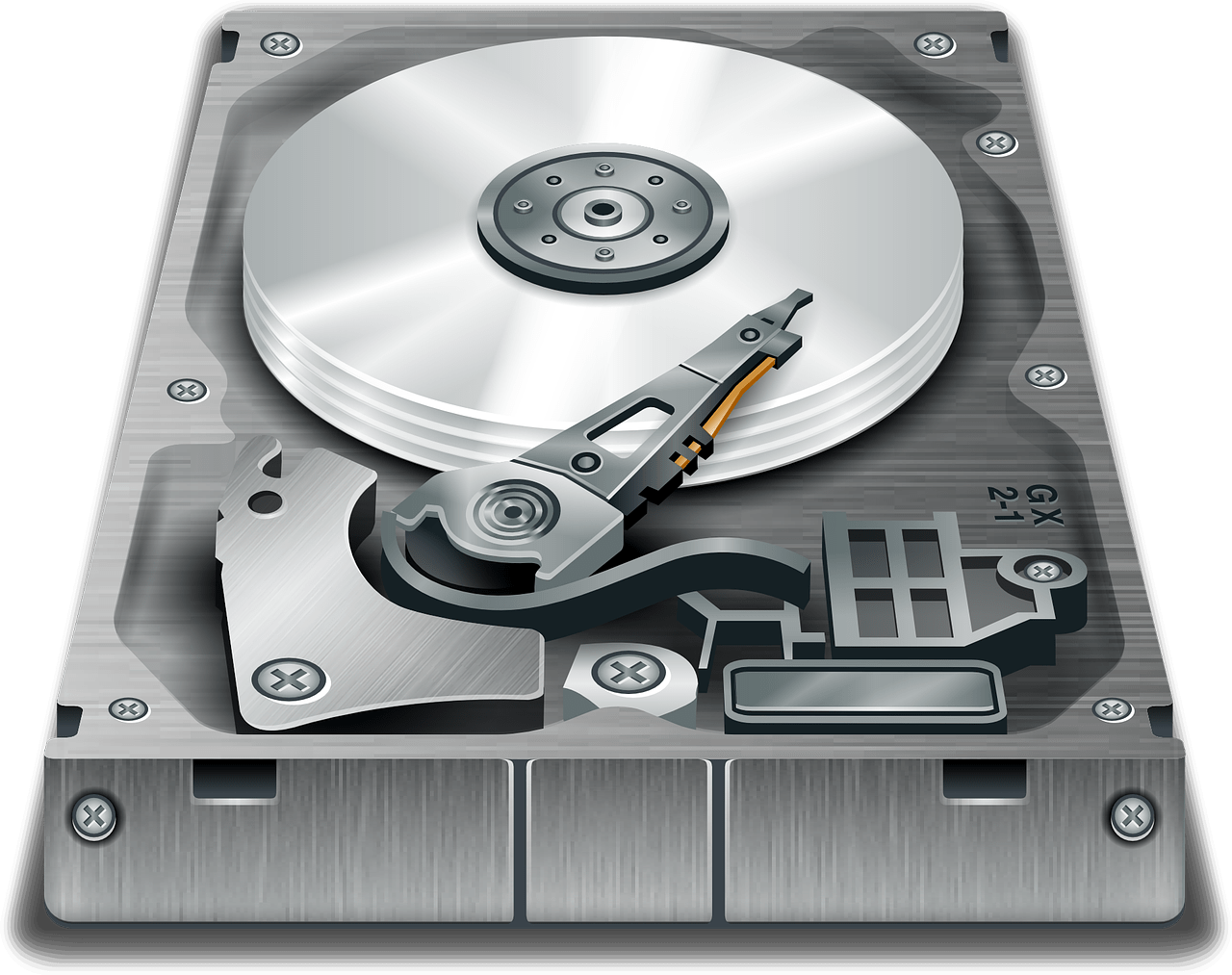
    illustration of a traditional disc drive
    Image courtesy of Pixabay
    1. Hard Drives Crash — Even though solid state drives, don’t have moving parts like disc drives, they can still fail.
    2. Computers can get stolen — especially if you travel
    3. Operating system (OS) updates can corrupt or delete your files.

    I feel so sad when I see clients who are devastated because they didn’t realize how important their data was until it was gone.  

    Think about all of the files on your computer.  Do you have an address book, irreplaceable photos or videos, music or movies you’ve purchased, important letters, legal documents, or medical records?  What would you do if they disappeared or were corrupted due to a hardware or failure or software glitch?

    When you have a backups, you can easily restore your files from your backup.   

    The Ultimate Backup Plan

    Follow the 3, 2 , 1 rule  

    1. 3 backups
    2. 2 different types
    3. 1 off-site

    If you have important files and photos and don’t want to risk losing them, this is the way to go.  With my Chromebook, I store everything in Google Drive and trust Google not to lose my stuff but you may not be as trusting.  With my PC, I use and external backup as well as Google backup and sync.  Another option would be to use Microsoft’s One Drive cloud plus an external backup.  This plan qualifies as “2 different types” and “1 off-site” but it’s only “2 backups.”  Decide on a plan that makes you comfortable but DECIDE and IMPLEMENT!

    Off-Site (Cloud Storage)
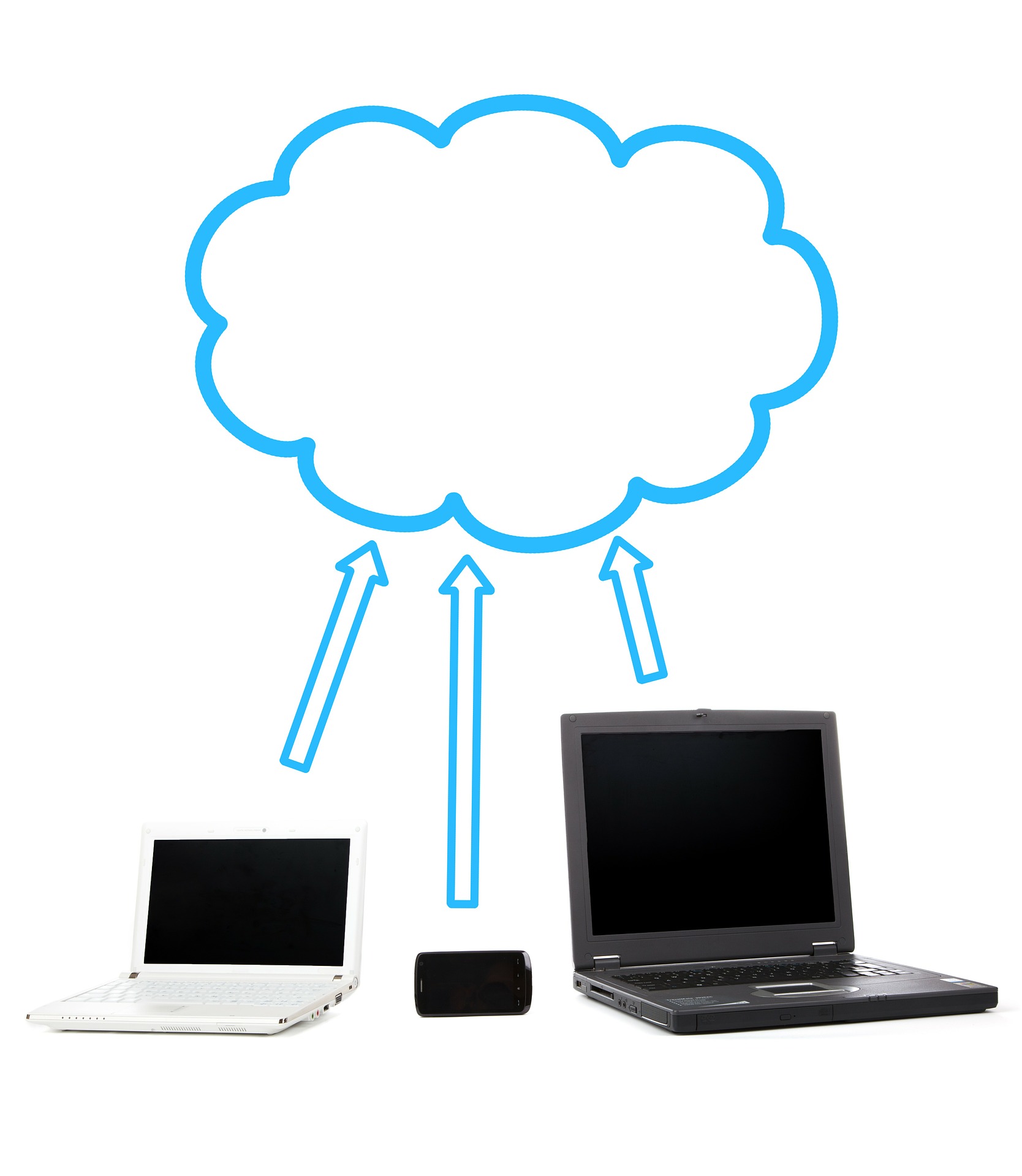
    Illustration of cloud backup
    Image Courtesy of Pixabay

    Google Drive, OneDrive, iCloud, Dropbox and other cloud services, enable you to store your files off site on their computers, but they are not doing continuous backups as you work and you have to make sure that your files get saved to the right location.

    Continuous Backup Inside Software

    Software programs, like Word or Excel can be set to update continually as you work but they may not be set up to do this by default. You may need to adjust the settings. Google docs does continuous backups automatically!  This protection assumes that your document file is connected to a cloud service.  It doesn’t do any good to have your document updating as you work on it, if it’s stored on your computer and your computer drive crashes.

    Subscription Cloud Backup Services

    Another solution is to pay for a service like Carbonite, Backblaze, or  iDrive. These services backup all the changes in all applications as they occur. You set up an account and then download an app that synchronizes your files between your computer and their servers.  They provide ample storage space with the basic fee and you can always increase the capacity if you need more storage. (Services and fees change all the time, so search on the internet thewirecutter.com or call me for help.)

    External Drive Backups
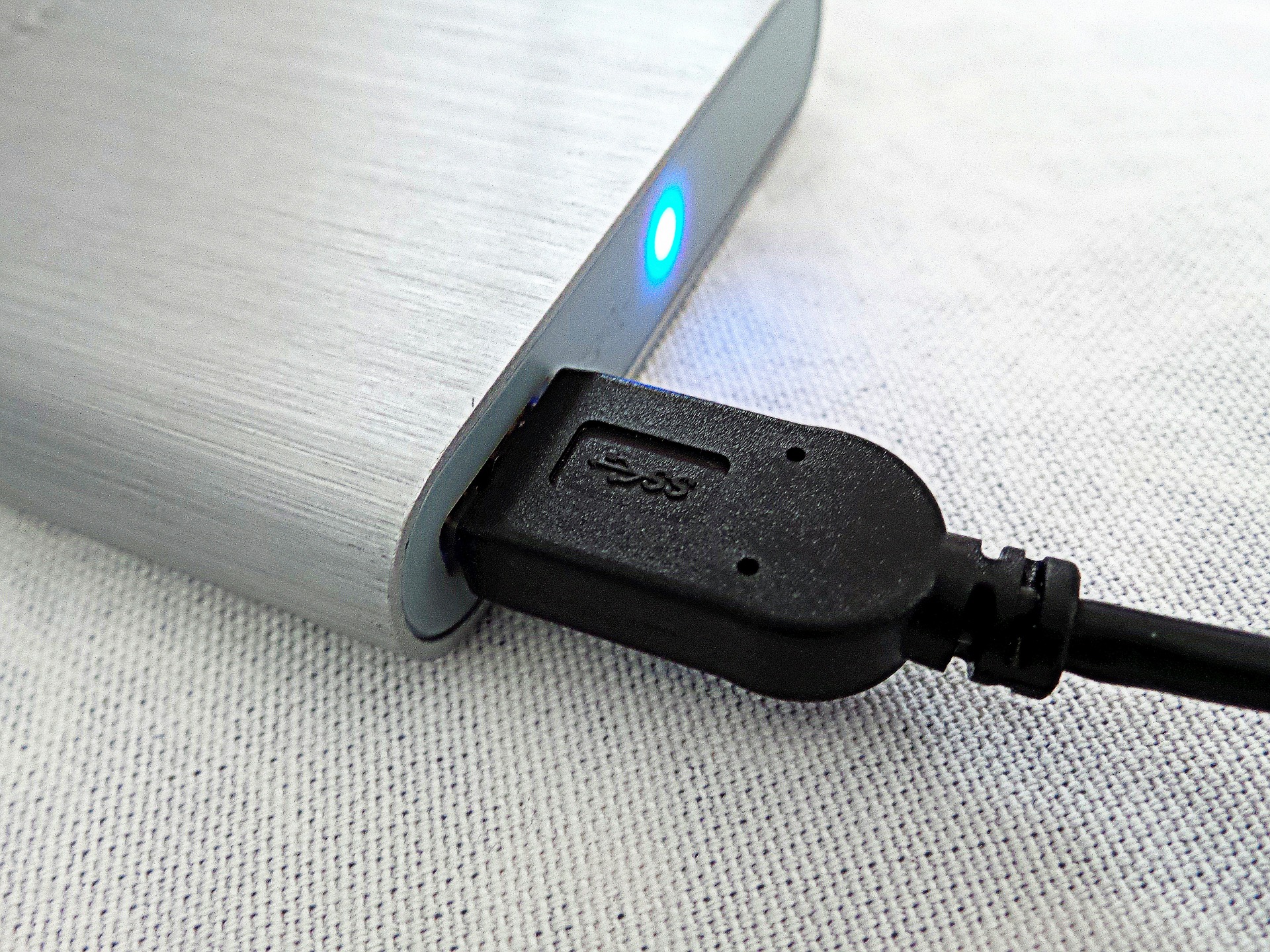
    image of external backup device
    Image Courtesy of Pixabay

    External drive backups provide a safety net in case an online/cloud backup should fail. It’s unlikely that an online backup system would fail, but you never know for sure. 

    Your external drive backup should be set up to work continually in the background.  If you only use scheduled backups, you can lose changes made between scheduled backups.  For example: If you create a document on Friday, your computer doesn’t back up until Sunday, and your computer crashes on Saturday, you will loose the document created on Friday. 

    A disadvantage to external drive backups is that they can crash just like any other drive they can get stolen, or damaged by a fire or natural disaster.

    Again, in order for your files to be completely safe, you should use more than just an external drive backup.  Remember the 3 – 2 – 1 rule.

    How To Set Up Backups With Microsoft Windows
    Image of Windows Computer
    Image Courtesy of Pixabay

    For Windows 8 and 10  Use File History

    File History automatically backs up your files every hour by default, but you can choose every 10 minutes, 15 minutes, 20 minutes, 30 minutes, 1 hour, 3 hours, 6 hours, 12 hours, or once per day.

    It will be set to keep your backups forever, unless you change it to 3 months, 6 months, 9 months, 1 year, or 2 years old. You can also have it automatically delete backups as necessary to make space on your drive.

    1. Connect an external hard drive to your computer using a USB port.  
    2. Open the Settings app or Control Panel from your Start menu.
    3. Navigate to Update & Security > Backup.
    4. Click Add a Drive and select the drive.
    5. Select More options to choose how often to backup, how long to keep backup copies, and which files to back up. 

    Windows will backup your files to the drive, as long as it is connect it to your computer.  If you move your laptop, be sure to remember to plug your drive in again.

    For Windows 7:  

    1. Go to the Control Panel
    2. click on System and Security
    3. click on Backup your Computer
    4. click Setup Backup
    5. click on the name of your external drive
    6. click Schedule to choose the day and time
    7. click Save Settings and Run Backup

    Apple Computers
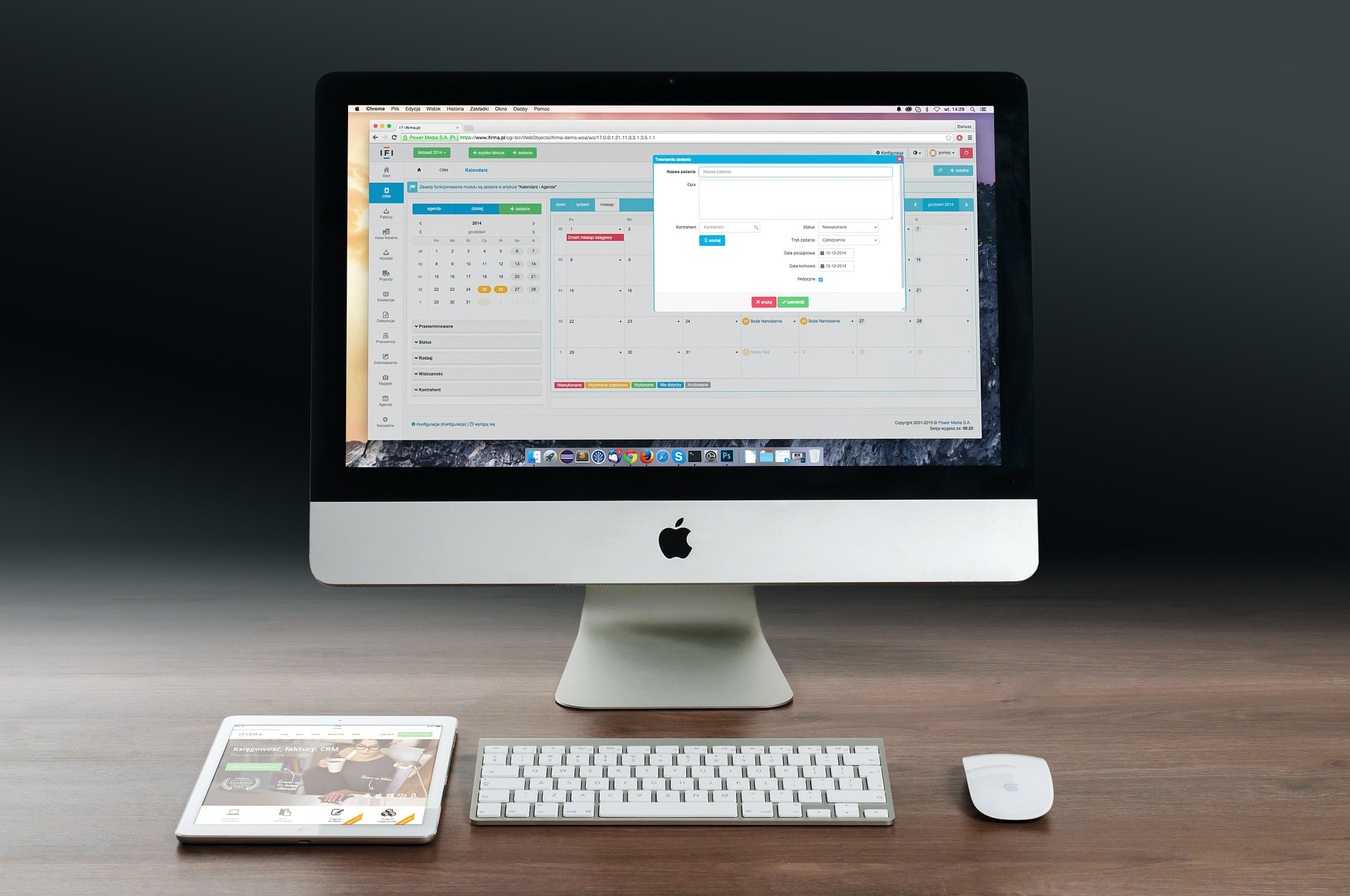
    Image of Apple Computer and iPad
    Image Courtesy of Pixabay

    Use Time Machine

    Time Machine keeps a day’s worth of hourly backups, a month’s worth of daily backups, and weekly backups until there’s no more space.

    1. Connect an external drive to your Mac and you’ll be asked if you want to configure it as a Time Machine drive
    2. Click Use as Backup Disk and Time Machine will automatically begin backing up everything
    3. Click the Time Machine icon on the menu bar and select Open Time Machine Preferences or open the System Settings window and click Time Machine to access its preferences window.

    Enabling Time Machine on a MacBook will also enable the Local Snapshots feature. Your Mac will save a single daily snapshot as well as a single weekly snapshot of your files to its internal storage if the Time Machine backup drive isn’t available. This provides you with a way to recover deleted files or restore previous versions of files even if you’re away from your backup drive for a while.

    Mobile devices

    Tablets and smartphones have built-in auto-backup systems.  Check in Settings to be sure the backup feature is turned on and that it has backed up recently.

    Archiving Files
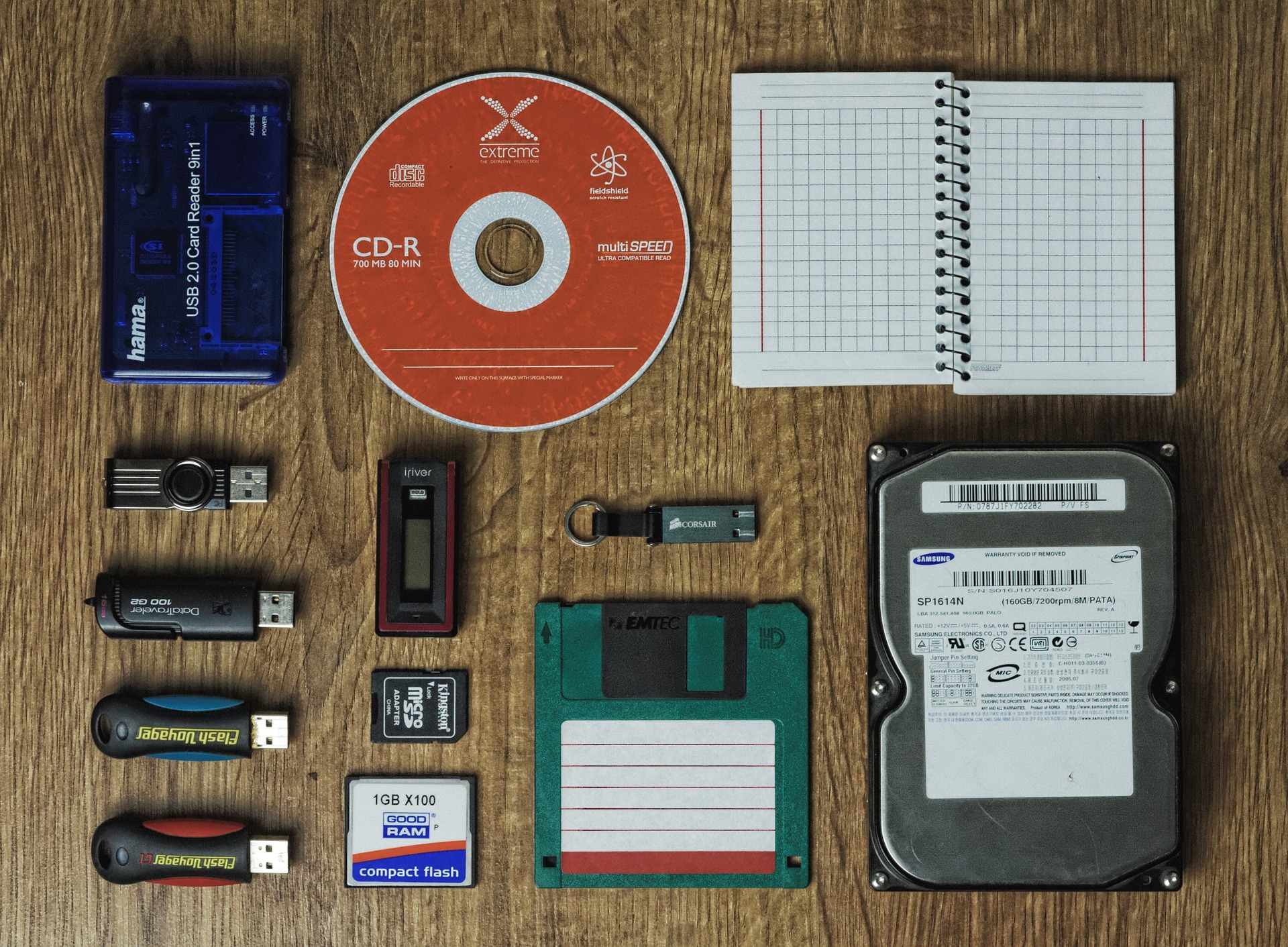
    storage devices for file storage
    Image Courtesy of Pixabay


    Files that you don’t intend to edit or view frequently, don’t need to be backed up continually and can be archived.  You can move the files to an external storage device and store it offsite by giving it to family members or putting it in a safe deposit box at a bank.  Consider making more than one copy and storing them in more than one location. This can save you money on cloud storage fees.

    In Conclusion

    check on your backups
    Image Courtesy of Pixabay

    Setting up backup systems is critically important but it’s also a simple matter of deciding on the systems you want to use and setting them up.  Once your backup systems are in place, you only need to check occasionally to be sure they are working properly.  (Just choosing your doctors and getting your regular checkups.)

    You can do this!  Get it done so you can…

    Enjoy!

  • Your Holiday Photos

    How are you going to organize, share and protect your holiday photos this year?

    Here are my recommendations:

    First, and most important, is backups….

    Android can back up photos to Google+ automatically.  I was surprised and amazed when my new Android phone did it.  Really great!

    iPhone owners can get Dropbox and enable Camera Upload to do it automatically.  I just set this up for a client last week.  Really slick because you don’t have to plug your phone into your computer and you can share Dropbox files with others.

    You might also want to occasionally make full backups onto an external drive and store it somewhere in your home or off-site.  One of my clients had spend a gazillion hours scanning 100’s of heirloom family photos after her parents died, and I showed her how to save them on flash drives for each of her siblings.  What a special Christmas gift!!!

    If you just want to order prints, you can upload your photos to Walgreens’ or CVS’s website and pick them up in one hour.  You just go to their website, set up an account, upload your photos and select sizes.  It’s very clear and easy to use.  I’ve taught several clients to do this and they love it.

    If you want to share your photos and order prints or other products like calendars, photo books, coffee mugs, etc., here are some other options.

    2. Photobucket is a well-organized and easy-to-use photo sharing web site. You can customize and display albums, including adding music for slide shows. A scrapbook builder allows easy drag and drop organizing. You can post to most of the popular social networking and blogging sites.  There is a huge variety of cards, mugs, posters and other gift items available.  Your friends and family don’t need an account to view the photos and there are multiple privacy options available.   Web site: http://www.photobucket.com  Cost: Basic: Free; Pro: $24.95/year

    6. Snapfish is a photo sharing site but with the emphasis on ordering prints and personalized gifts.  It’s well designed and easy-to-use and has online editing features to enhance photos and fix problems like red eye. It works with any device that can run a web browser. There is downloadable software available to help transfer photos from your camera.  However, there is no upload application for gadgets, so photos on phones and other mobile devices have to be e-mailed to your account.  You can set up private “group rooms” for family and friends and they can add their photos too.  I taught a client how to create a room for a trip to Hawaii with her old college friends.  She uploaded hers and then emailed and invite to the gals to do the same.  This is a great feature for group events like weddings and anniversary parties too.  Everyone can share their photos in one place and choose which ones to print.   Web site: http://www.snapfish.com  Cost: Basic: Free, plus 20 free prints when you sign-up

    7. Shutterfly is another popular site for uploading photos and turning them into greeting cards, posters or calendars.  It has easy routines for uploading and sharing and free, unlimited storage space. You can create a customized web site to display and share your photos and allow others to add comments. It includes downloadable software to organize and edit your photo collection. There is a video sharing version of Shutterfly also.  You get 50 free 4×6 prints when you sign-up!   Web site: http://www.shutterfly.com  Cost: Free, and you get the 50 free prints

    8. Flickr is owned by Yahoo and is one of the most popular sites for posting and sharing photos.  Now it’s offering 1 terabyte of online storage for your photos. That makes Flickr the cheapest and largest option for storing all your digital photos on “the Cloud.”  However, you will have to upload the photos manually from your hard drive.  No big deal, but it’s not automatic like with Google+ and Dropbox.

    Once your photos are in, you have Flickr’s photo organizer to manage them.  If you have hundreds and hundreds of photos, and they’re roughly organized into events, you can do some sorting, searching, and set-making to get your stuff together.  You are the one who will need to name the folders, set them into the online filing cabinet, and decide which photos are worth saving, and which are just extras.

    One terabyte gives you a lot of space, and your photos are away from your house and your techie mistakes.  You can store full-size, original-resolution photos.  It is the most long-term means of backing up your photos — depending on Yahoo’s long-term prospects, but Yahoo is likely to give everyone a notice to transfer their stuff if the worst comes to pass.

    In Other Words, Use Flickr as the destination photo keeper–after you’ve sorted them out in iPhoto, Picasa, or other photo-sorting software.

    Google+ and Picasa
    Google now offers 15 GB of space for full-size photos uploaded to Google+ (shared with your Gmail and Google Drive space. That’s the middle range of free options. The tiers for upgrading are not very costly.

    How do you get your photos into Google?  If you have an Android phone, you can activate “Auto Backup” (formerly dubbed “Instant Upload”) in the Google+ app. You can also tap a button to upload everything on your phone, and choose whether you’re uploading full-size or otherwise. On the computer, your best bet is to install Picasa for Mac or Windows and use it to find and upload all your photos.  You can have it search your computer, external drives, DVDs, or whatever.

    As for organizing, Google does some of it for you. Photos in Google+, are broken up into broad date and location categories, so that the 50 photos you took at one beach outing are together, as are the slow trickle of personal shots snapped over a 5 or 10-day period. Each photo is auto-enhanced, and the effect is generally positive, especially for low-light and off-color smartphone shots (You can turn off the auto-enhancement). Perhaps most importantly, all the photos you “Auto Backup” to Google are stored privately by default, and you don’t have to use Google+ in any fashion to store, view, or download your images.

    So use Google+ For: auto-organizing huge sets of vacation photos and Android backup.

    Use iCloud and Dropbox: for just backing it all up (and for apple die-hards)

    iCloud gives you 5 gigabytes of storage for all your iCloud things: documents, non-iTunes-purchased music, tiny calendar/contact things, and photos. It’s $20 per year for another 10 GB, and up to $100 per year for 50 GB.  The best part of iCloud is the seamless synchronization between your MacBook, your iPad, your iPhone, your Apple TV.  When you shoot a photo on your phone, it’s visible in the Photo Stream on all your devices, and backed up from your Camera Roll.  The best tool for organizing all those photos is iPhoto.

    If you’d rather separate your photos from Apple’s cloud, or save your free 5 GB for your device backups, you can back up your photos to Dropbox. The iPhone and iPad app offers an automatic Camera Upload option that’s remarkably simple and easy to use, and it’s even polite–it scales itself back when you’re getting close to your data limit.

    There isn’t any photo managing software with iCloud’s Photo Stream or Dropbox.  You have to manage it yourself, using iPhoto, Picasa, Aperture, or whatever you like best, but you can use these as a secondary backups since they give you the space for free.

    In Other Words, Use iCloud/Dropbox For: Sheer peace of mind about photo storage, and easy iPhone backup.

    Your own photo software and hard drives are the option you don’t appreciate enough.

    Whatever huge online space you use for free, always keep a local copy–that is, something on an external hard drive at your house. Computers get coffee in them, big companies occasionally close services and discontinue features, and your memory of where everything is can be faulty. Online and auto-organized photo collections are convenient, but will your grandchildren have easy access to your Google account?

    In Other Words: Always back up your own stuff at your own house. You will certainly outlast a few of these big data companies.

    If you use any services or products not named here, please let me know.  I’m always eager to learn new things and share them with my clients

    If this is newsletter seems like it’s written in a foreign language or you have no idea where to begin, let’s get together for some instruction.

    We can do my usual private sessions or you can invite up to 7 friends to a “Play Shop” at your home or office.  (8 gadgets is the maximum for home Wi-Fi routers).  The host is free and the other participants only pay $20 for the 2 hr. play shop. (The minimum requirement is $80)  I will also be happy to do more Play Shops at the Mastermind Seminars’ office on Date Palm.  Just let me know the best days and times for you.

    May you have a very, very happy holiday and take lots of amazing photos to share.

    In Joy,
    Mardi

    “Restoring peace and joy to the world through computer education.”

  • How to Store Your Photos

    Lately, I’ve been helping a lot of people with photo management and storage.  One of the most common questions is how best to store them.

    The rule of thumb for ultimate security is that you have three different kinds of backups with one being off sight.  Then if something happens to your house, you still have a back up.  On “the Cloud,” means on someone else’s server.  Some of the most popular are iCloud (for apple products) Carbonite, iDrive, Amazon, Google.  The iPhoto and Picasa applications make it really easy to store and share your photos on the Cloud.  These services give you from  2 to 4 gigabytes for free and then you pay a nominal fee for more storage.

    Most DVDs hold 4.7 gigabytes of data, or around 1,000 photos. It could be more or less depending on the image quality.  Once you burn a DVD, however, you can’t modify the files.

    A flash drive is better if you want to edit the files later.  Some flash drives hold as much as 128 GB – about 20,000 photos. If you need more storage than that, look into portable hard drives.